

Last Wednesday was Jerome Powell’s final meeting as Fed chair. His term ends May 15. Trump’s nominee, Kevin Warsh, takes over from there.
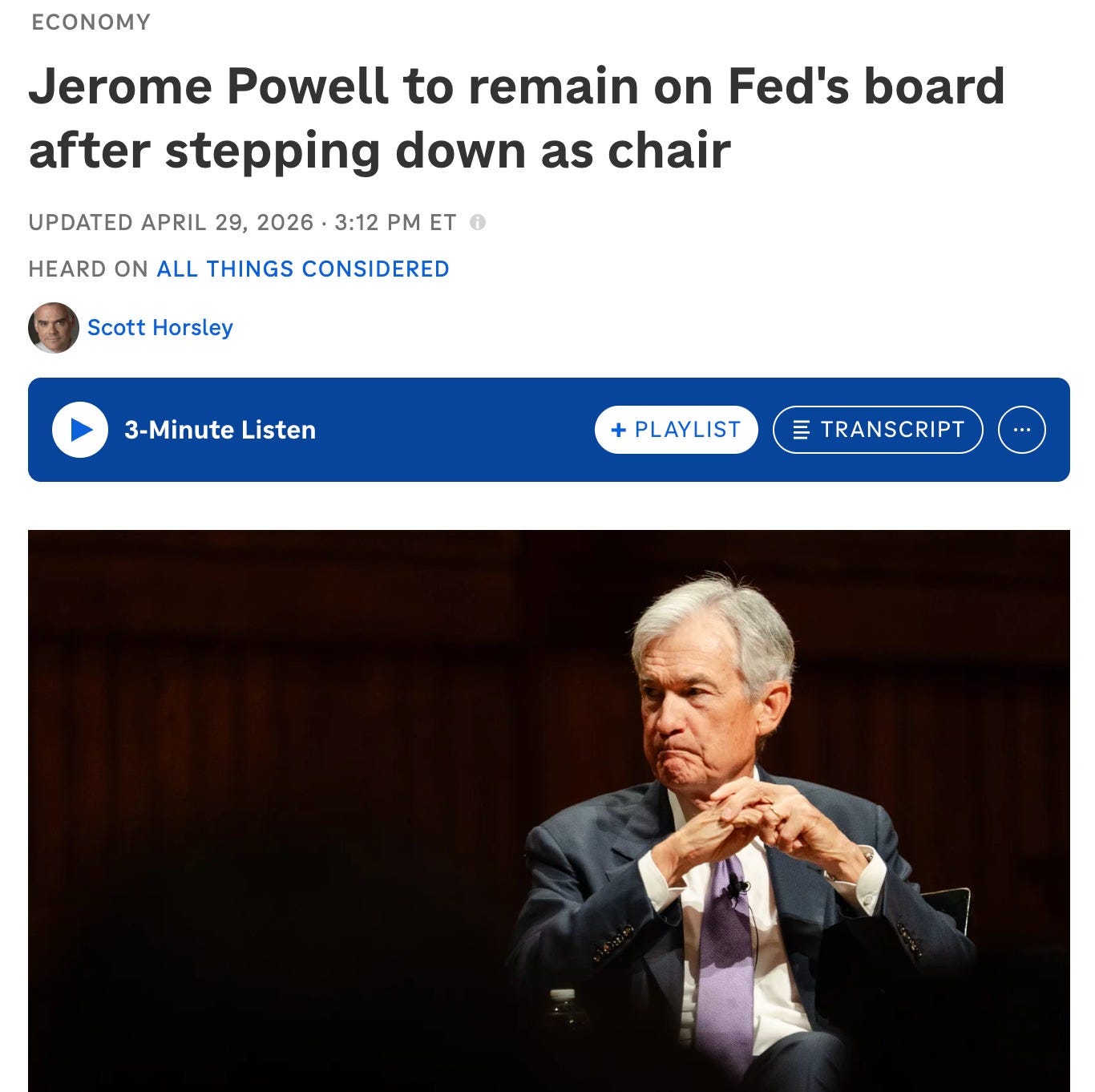
So what did eight years of Powell give us?
$9 trillion in new money.
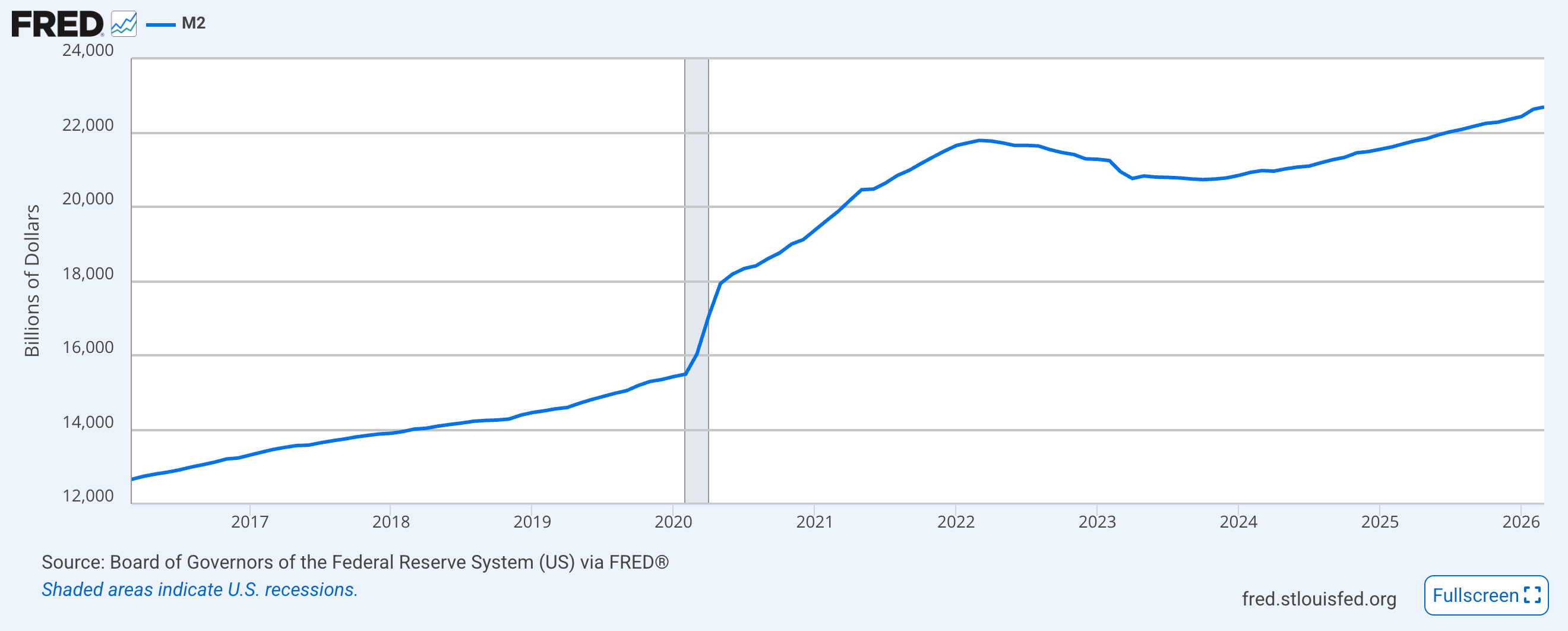
Powell took the job in February 2018. Eight years ago. At the time, the U.S. money supply stood at roughly $14 trillion. Today it’s $22.7 trillion.
That’s $9 trillion in new money created under one man’s watch.
You can see it in the chart below. That vertical spike in 2020 - that’s the COVID money flood, when the Fed printed roughly $6 trillion in a matter of months. Then came the supposed tightening. From mid-2022, the money supply dipped - briefly - before turning back up in late 2023. It never looked back. As of March, we’re at an all-time high.
And that’s not to mention years of inflation running above 4% - double the Fed’s own 2% target. And what did the Fed do about it? They started cutting rates. Three times in 2025 alone. When you cut rates, you’re making it cheaper to borrow, which means more money flowing into the economy - the exact opposite of what you’d do if you were serious about fighting inflation.
But it gets better. In December 2025, while inflation was still running well above target, the Fed quietly launched a new program - $40 billion a month in Treasury bill purchases. No end date. They called it “reserve management.” It started on December 12th. I wrote about it at the time and called it what it was: stealth money printing. Because mechanically, that's exactly what it is. The Fed creates reserves, buys Treasury bills, and the money supply grows. Same plumbing as quantitative easing - just targeting short-term bills instead of long-term bonds, which gives the Fed cover to say it's not stimulus.
Same Movie, Different Country
I’ve seen where this goes. More than once.
I grew up in the Soviet Union, where the government printed and planned until the currency collapsed. I also lived in Argentina, where currency destruction is practically a tradition.
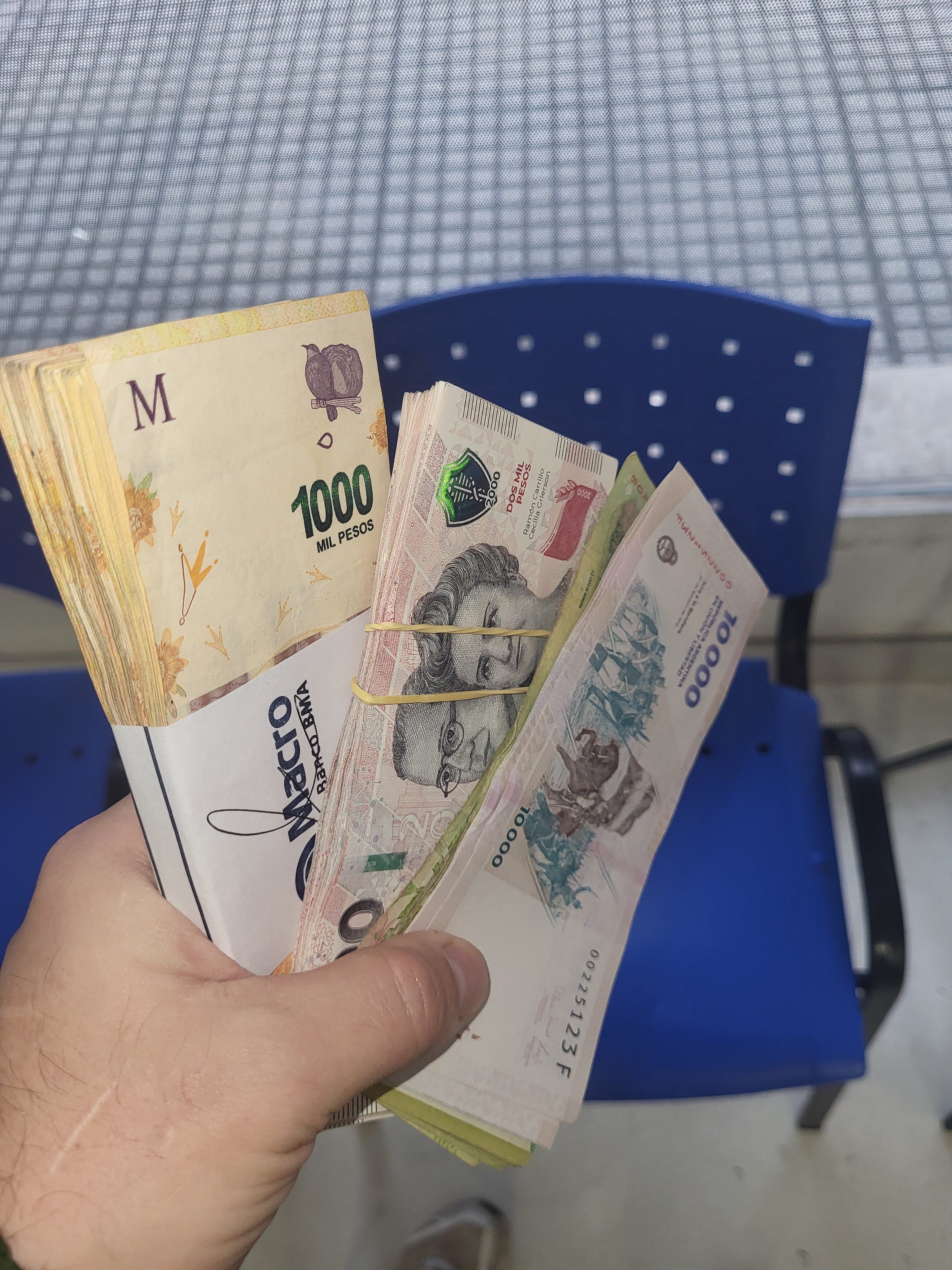
Speaking of which - here’s a photo of me the last time I was in Buenos Aires, a couple of years back. I exchanged dollars at a cueva - a black market exchange - because the official rate was a fiction. You’d basically get robbed if you used it. The guy behind the counter handed me stacks of pesos so thick my pockets looked like I was smuggling softballs out of the place.
Now, I’m not saying the dollar is going to collapse overnight. But you have to look at what’s happening in the meantime. And how the people in the know talk about it.
Here’s a quick clip of David Malpass - former president of the World Bank - who put it about as clearly as anyone has:
Transcript: The Fed basically has become now just a giant hedge fund. It’s lost over a trillion dollars and counting. What it does is borrow money at 5.4% from banks and then dump it into government bonds. So think what that trade does. That causes the government to think that it’s better off than it is. We’ve got these multiple problems that are going on, and it endangers the dollar. So that’s the basic case.
He goes on to explain that all the money sitting with the Fed could instead be going to small business loans, inventory financing - the kinds of things that actually grow the economy. Instead, banks are lending to the Fed so the Fed can lend to the government.
And It's About to Get Worse
But when I look at the bigger picture, I think Powell is probably relieved he’s leaving when he is - because he knows things are about to get worse.
Just look at the latest inflation reading on food. 7.9% year over year. Tomatoes up 102%. Vegetables up 90%. Beef up over 12%. Also diesel, up 88%.
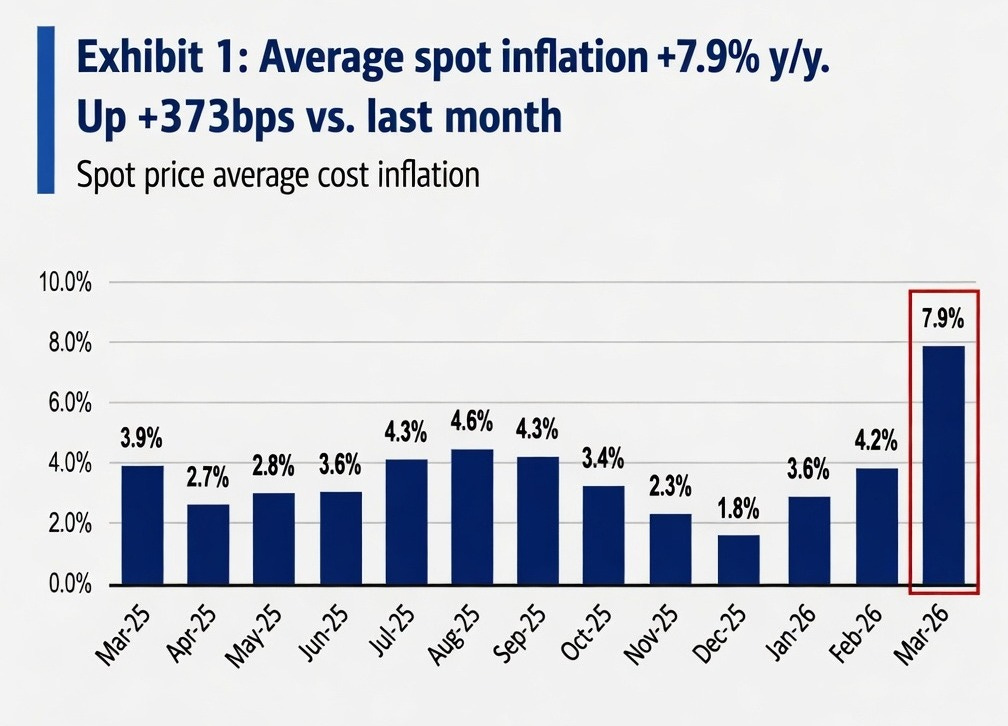
A big part of that is the Hormuz crisis. Because in addition to oil, nearly half of all seaborne fertilizer trade flows through that same strait. It’s been shut for two months now. The price of urea - the main input in nitrogen fertilizer - has more than doubled since February. And that part hasn’t fully shown up at the checkout yet.
So if you think groceries are expensive now, just give it a few months.
It’s going to be very interesting to watch how Kevin Warsh handles this. Inflation is already running hot and accelerating. And Trump’s stated policy aim has been a weaker dollar - which by definition means more inflation. He's spent the last year making sure the next Fed chair knows who's in charge - from putting Stephen Miran, the architect of his dollar devaluation strategy, on the Fed's board to launching a criminal investigation into Powell himself.
Bottom line: Trump wants lower rates, a weaker dollar, and easy money heading into the November midterms. Warsh is walking into rising food prices, an energy crisis, and a president who has made it very clear what he expects. Good luck saying no.
Gold is up about 80% since Trump’s inauguration. Silver is up 210%. By the time he leaves office, I wouldn’t be surprised if those numbers double.
Regards,
Lau Vegys
🎯